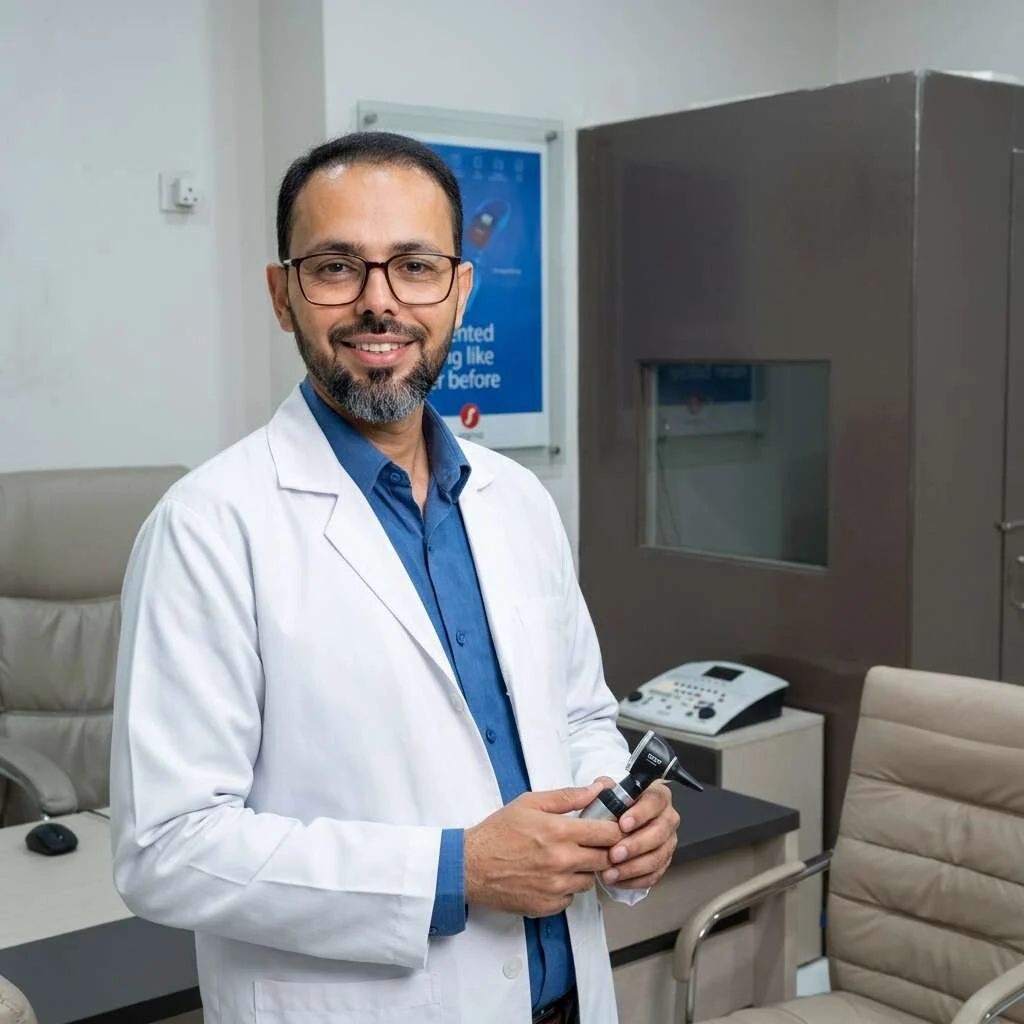
Key Clinical Takeaways: Why Test Precision Matters
- Accurate Categorization: Distinguishes conductive conditions (medical/surgical) from sensorineural hearing loss (requiring digital hearing aids).
- Prevention of Misdiagnosis: Eliminates guesswork, improper treatments, and unnecessary healthcare expenses.
- Developmental & Cognitive Protection: Supports early language acquisition in children and shields adults from cognitive strain and social isolation.
- Calibrated Technology: Reliable diagnostics require regularly calibrated audiometers meeting international ISO/ANSI audiological standards.
Hearing is far more than just the ability to detect sound. It shapes how we communicate, learn, work, and stay connected with the people around us. When hearing begins to decline, many people delay seeking help, often believing the problem is minor or temporary. What they may not realize is that the quality of the hearing assessment itself can determine whether the problem is correctly identified and properly managed. Precision in hearing testing is not a technical detail — it is the foundation of effective care.
Why Accurate Diagnosis Starts with Precision Testing
An accurate diagnosis begins with reliable test results. When hearing tests are performed with precision, they reveal not only whether hearing loss exists, but also its type, severity, and possible underlying cause. This clarity allows professionals to distinguish between problems that can be treated medically, those that require hearing devices, and those that need further investigation. Without this level of accuracy, treatment plans risk being incomplete or misguided, leading to frustration, delayed improvement, and unnecessary expense.
The Role of Precise Diagnosis in Personalized Management and Patient Outcomes
The true value of a precise diagnosis becomes clear when it comes to managing hearing-related disorders. A correct understanding of the condition enables targeted interventions. For example, some middle-ear issues may respond to medical treatment, while sensorineural hearing loss often requires carefully selected hearing aids. In children, early and accurate identification of hearing difficulties can support timely speech and language development. In adults, proper diagnosis helps reduce the social isolation, communication strain, and cognitive load that often accompany untreated hearing loss. In every case, the more accurate the assessment, the more effective the management strategy becomes.
| Evaluation Type | Primary Diagnostic Scope | Clinical Purpose & Impact |
|---|---|---|
| Pure Tone Audiometry (PTA) | Air and bone conduction thresholds across 250 Hz to 8000 Hz. | Identifies degree, configuration, and type (conductive, sensorineural, mixed) of hearing loss. |
| Tympanometry & Acoustic Reflex | Middle-ear pressure, compliance, eardrum mobility, and stapedial reflex. | Detects otitis media (middle-ear fluid), eardrum perforation, and ossicular chain disruption. |
| ABR & ASSR (Auditory Brainstem) | Electrophysiological neural activity along the auditory nerve pathway. | Objective diagnostic assessment critical for newborn screening, infants, and neurological evaluation. |
| Specialized Tests (ABLB, SISI, SRT) | Speech recognition thresholds, loudness recruitment, and cochlear discrimination. | Differentiates cochlear sensory loss from retrocochlear / neural lesions for targeted medical care. |
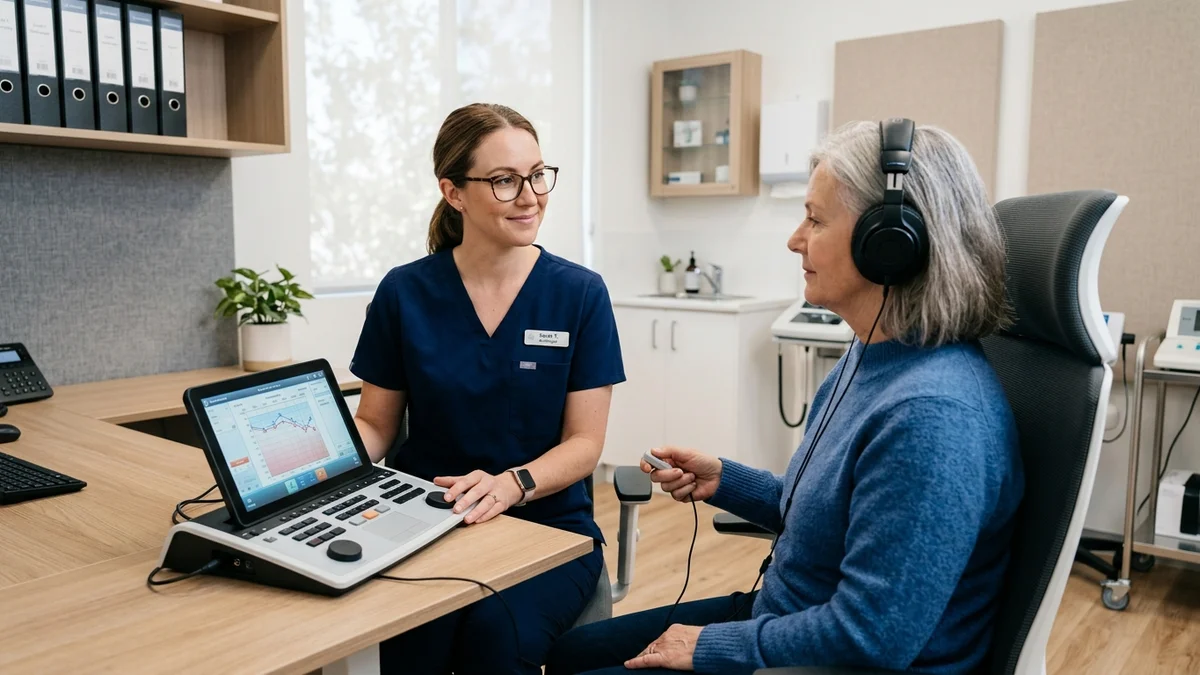
Comprehensive Diagnostic Batteries at Hearing Care Services
At Hearing Care Services (www.hearingcareservices.pk), we place the highest importance on diagnostic accuracy. We conduct a complete range of essential hearing evaluations, including Pure Tone Audiometry (PTA), Tympanometry, Acoustic Reflexes, Auditory Brainstem Response (ABR), and Auditory Steady-State Response (ASSR), Phenomenal Hearing Tests like, ABLB, SISI, SRT. All of these tests are performed on Regularly Calibrated Diagnostic Equipment that meets professional standards. This commitment to calibration and quality ensures that the results we obtain are reliable, consistent, and clinically meaningful.
Why Equipment Calibration Directly Impacts Clinical Decisions
When test results can be trusted, both the clinician and the patient gain confidence in the next steps. Treatment recommendations become clearer, expectations become more realistic, and progress can be monitored more effectively. In short, a precise diagnosis does not merely label a problem — it opens the door to better outcomes.
Choosing the Right Center for Accurate Hearing Evaluations
Hearing health deserves careful attention. Choosing a center that prioritizes accuracy through calibrated technology and comprehensive testing is one of the most important decisions a person can make. Early and precise evaluation allows hearing difficulties to be understood correctly and managed in the most appropriate way, helping individuals reconnect with the sounds that matter most in their lives.
Need a Precise Hearing Evaluation in Pakistan?
Schedule a comprehensive evaluation with our certified audiology specialists using state-of-the-art calibrated diagnostic technology.
Frequently Asked Questions About Hearing Tests and Diagnostic Accuracy
Why is precision critical in hearing loss diagnosis?
Precise hearing tests reveal the exact type (conductive, sensorineural, or mixed) and degree of hearing loss. This clarity prevents misdiagnosis, eliminates ineffective treatments, and ensures appropriate medical referral or hearing device customization.
What is the role of equipment calibration in hearing evaluations?
Calibration ensures that decibel levels and frequencies produced by audiometers match exact clinical standards. Uncalibrated equipment leads to false thresholds, erroneous diagnoses, and improperly fitted hearing aids.
What is the difference between PTA and objective tests like ABR?
Pure Tone Audiometry (PTA) is a subjective test requiring active patient responses to sound tones. In contrast, Auditory Brainstem Response (ABR) and ASSR are objective electrophysiological tests measuring brainstem responses, making them ideal for infants or difficult-to-test individuals.
Where can I get advanced diagnostic hearing tests in Pakistan?
Hearing Care Services (www.hearingcareservices.pk) provides comprehensive diagnostic evaluations across Pakistan using regularly calibrated equipment and international audiological standards.